
AFTER HOURS EMERGENCY PHONE: 509-470-2167
WHEN DIGGING AT HOME, IN THE YARD OR ANYWHERE, BE SURE TO "CALL BEFORE YOU DIG" AT 1-800-424-5555 TO REQUEST A LOCATE. IT'S FREE AND IT'S THE LAW.
Utility Notification Center: The Utility Notification Center is open 24 hours a day, 7 days a week, and accepts calls from contractors, homeowners, or anyone planning to dig. Locate requests are accepted over the phone, through a fax-a-locate program, or through the ITIC program. If you need to process a locate request, or need additional information about locates, you may contact the Utility Notification Center at any time.
 |
 |
Lake Chelan Reclamation now offers the ability to pay your bill online. Click here and create an account by registering and following the prompts. Thank You!
MoreIn the Lake Chelan Reclamation District a backflow prevention device is required. This protects the domestic water distribution system from a dangerous backflow.
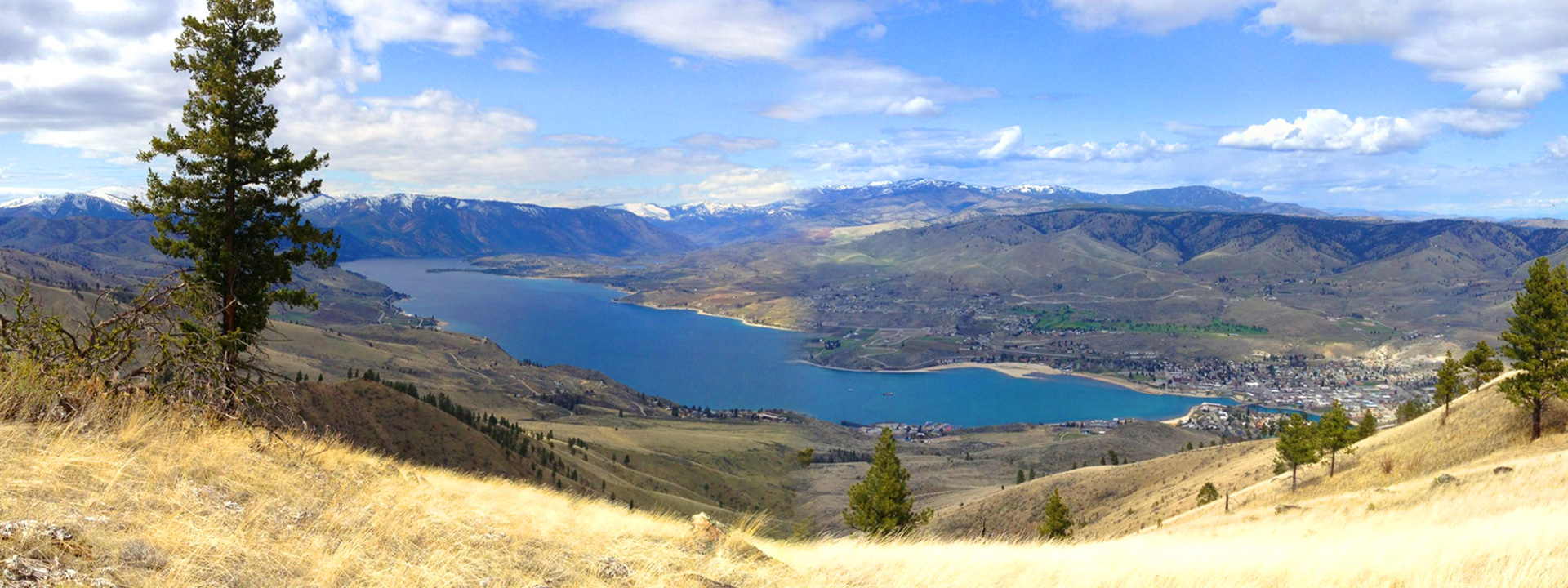
MoreLCRD draws all of its drinking water from Lake Chelan. We monitor water quality each and every day to be sure that our drinking water is pleasant and safe.
More